
070253117C Audi WASHER
MPN:
070253117C
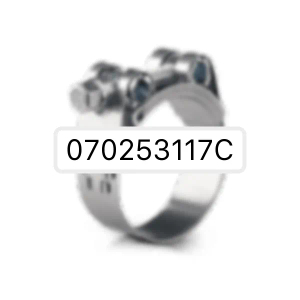
| Brand | Audi |
| Weight | 0.039 kg |
| Dimensions | 65 x 11 x 65 mm |
About
Audi 070253117C Washer
Description
Washer is a flat fastening component used to distribute load, protect contact surfaces, and improve the reliability of bolted or screwed connections. It is installed between a fastener (bolt, screw, or nut) and the mating surface to reduce wear, prevent surface damage, and ensure stable clamping. Washers are commonly used in automotive, industrial, and mechanical assemblies where secure fastening and load distribution are required. They may also help reduce loosening caused by vibration and improve overall joint stability. This washer is designed to meet dimensional and material requirements specified by the application and is suitable for use in various mechanical systems. Please verify compatibility with the intended vehicle system before installation.Key Features & Benefits
These little guys basically provide a sealing surface between the exhaust flange and the exhaust manifold or pipe. They help distribute the clamping force from the nut or bolt evenly, creating a tight seal. Sometimes they act like a shield, protecting the threads from heat and corrosion too. You’ll find them used with exhaust manifold gaskets, downpipe connections, and anywhere exhaust components bolt together. Think of your exhaust system as needing to be completely sealed to keep all those nasty gases contained and directed away from you and the engine. These washers are a small but crucial part of that sealing process. Without a good seal, you’ll have exhaust leaks. They’re positioned between the bolt head or nut and the exhaust component itself to ensure a solid connection.Symptoms, Risks & Replacements
Exhaust leaks aren’t something you want to mess with. They can sound really annoying, of course, but more importantly, they can reduce your engine’s performance. Leaks throw off the oxygen sensors, messing with your fuel economy. Also, exhaust gases are, well, toxic. You don’t want those fumes getting into the cabin of your vehicle. Over time, a corroded or missing washer can cause bolts to loosen and even break. You’ll notice if you have an exhaust leak because you’ll usually hear it – a ticking or puffing sound, especially when the engine is cold. We carry a pretty good selection of these at Fixparts Online, and getting the right size and material is key. Usually copper or aluminum are the most common, but it depends on the application. Product information is provided for reference only. The part number and compatibility with your equipment are decisive when selecting the correct item.Dispatch time:
7-8 days
Available for order
€
17.05
Excluding shipping costs
Shipping rates
Shipping to:
United States
10 years in the auto parts market
1 year warranty for all products
Worldwide delivery
Free return or exchange within 14 days
Have a question?
Send us a message on WhatsApp