
ADG07291 Blue Print Knock Sensor
MPN:
ADG07291
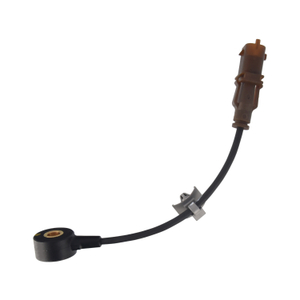
| Brand | Blue Print |
| Weight | 0.09 kg |
| Dimensions | 100 x 55 x 120 mm |
About
Blue Print ADG07291 Knock Sensor
Description
The Knock Sensor is a crucial component that detects engine knock or pinging, which can cause damage to the engine over time. It is primarily used in high-performance engines and vehicles with turbochargers or superchargers. By monitoring engine knock, the sensor provides technical benefits such as improved engine durability and reduced risk of engine failure.Key Features & Benefits
This little guy's job is to listen for unusual vibrations inside your engine. Specifically, it's listening for “knock” or “detonation” – that’s when the fuel – air mixture ignites at the wrong time, causing a pinging or rattling sound. It’s a sensitive microphone, basically, designed to pick up those specific frequencies. It sends a signal to the engine control unit—the computer that runs everything—telling it what’s going on inside the cylinders. Think of it as an early warning system. The engine computer uses the information from the knock sensor to adjust the ignition timing. If it detects knock, it retards the timing – delays the spark a tiny bit – to prevent further knocking and potentially serious damage. It’s all about protecting the engine from itself. It’s usually located on the engine block itself, often near the cylinders, so it can pick up the vibrations directly.Symptoms, Risks & Replacements
Honestly, it’s pretty vital. Engine knock can really wear things down over time – damage pistons, connecting rods, even the cylinder head. It’s like continually hitting something with a hammer – eventually, it's going to break. The knock sensor allows the computer to make those small adjustments that prevent that damage. You’ll notice if it’s failing usually as a check engine light, possibly a loss of power, or you might actually hear that knocking or pinging sound, especially when accelerating or under load. If you ignore it, you’re looking at potentially expensive repairs down the road. You can find these parts readily available online; we at Fixparts Online carry a good selection if you’re looking to replace it yourself, and they’re generally a pretty straightforward replacement. Product information is provided for reference only. The part number and compatibility with your equipment are decisive when selecting the correct item.Dispatch time:
1-2 days
Available for order
€
14.49
Excluding shipping costs
Analogues
Budget analogue
Febi
FEBI106793
1-2 days
from€14.51
SWAG
89106793
5-6 days
from€14.72
Shipping rates
Shipping to:
United States
10 years in the auto parts market
1 year warranty for all products
Worldwide delivery
Free return or exchange within 14 days
Have a question?
Send us a message on WhatsApp