
4B9962115C Audi ACTUATOR
MPN:
4B9962115C
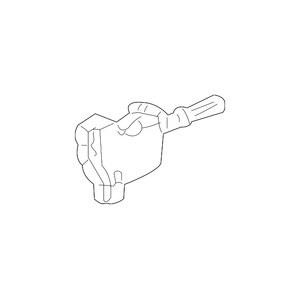
| Alternate Names | Actuator, Lock Solenoid |
| description | Cabriolet A4, S4. S4, RS4. Allroad. |
| Positions | Left |
| Replaces | 4B9-962-115-B |
| Brand | Audi |
| Weight | 0.099 kg |
| Dimensions | 62 x 30 x 120 mm |
About
Audi 4B9962115C Actuator
Description
This actuator is designed to convert an electrical, vacuum, or hydraulic signal into controlled mechanical movement within the vehicle. It is commonly used to operate or adjust components such as valves, flaps, locks, or other mechanisms, depending on the application and vehicle configuration.Key Features & Benefits
An actuator is basically a small motor that moves something. It takes an electrical signal and turns it into mechanical motion. They come in a lot of different sizes and strengths, depending on what they’re controlling, but that’s the core idea. They don’t make things happen, they enable things to happen – they respond to a command. Now, where you'll find these varies. They're used for everything from controlling the blend door in your heating and air conditioning system – that’s a common one – to adjusting the throttle position, controlling lights, operating power locks, or even opening and closing the fuel door. It’s a pretty versatile little piece. They’re usually tucked away somewhere, doing their job out of sight.Symptoms, Risks & Replacements
If an actuator goes bad, you’ll usually notice it pretty quickly. If it’s controlling your heat, you might find your air is stuck on hot or cold, or just won’t mix properly. For something like power locks, you’ll notice one door won’t lock or unlock. It acts like a shield against things not working correctly, and when it fails, whatever system it's controlling will usually let you know. They’re not always expensive to replace, and getting to it can sometimes be a little tricky depending on the location, but it’s definitely something you want to address. You can often find a replacement pretty easily – we’ve got a good selection at Fixparts Online, and you can usually look up the right part for your specific vehicle there. Product information is provided for reference only. The part number and compatibility with your equipment are decisive when selecting the correct item.Dispatch time:
7-8 days
Available for order
€
98.02
Excluding shipping costs
Shipping rates
Shipping to:
United States
10 years in the auto parts market
1 year warranty for all products
Worldwide delivery
Free return or exchange within 14 days
Have a question?
Send us a message on WhatsApp